What Tools Are Used for Ear Piercing in Dubai?
- analpha girl
- Oct 1, 2025
- 4 min read

Ear Piercing in Dubai has always carried cultural significance, modern fashion appeal, and personal expression. People often wonder how the process is performed safely and what instruments are used to achieve a clean and accurate result. The tools selected for this procedure play a vital role in ensuring precision, hygiene, and comfort for the individual. Since techniques vary, the type of equipment used can depend on personal preference, the method chosen, and the overall outcome desired. Understanding these tools allows anyone to appreciate the artistry and care that goes into ear piercing.

Commonly Used Tools for the Piercing Process
Sterile Marking Instruments
Before the procedure begins Ear Piercing Dubai, the position of the piercing must be accurately marked. Professionals use sterile marking pens to create small dots where the piercing will be placed. This step ensures both symmetry and proper alignment, giving individuals confidence in the final look.
Piercing Needles
One of the most common tools used is the hollow piercing needle. Designed to create a precise opening in the ear, it allows jewelry to be placed smoothly. These needles are sharp, sterile, and come in different gauges to match the thickness of the jewelry selected. Unlike traditional sewing needles, piercing needles are hollow, which helps minimize pressure on surrounding tissue and creates a neat pathway.
Piercing Guns
In some cases, piercing guns are used for quick and efficient piercings. This handheld device shoots the earring stud directly into the ear lobe, creating an instant hole. Many individuals prefer this option because it is fast and straightforward. The tool is often associated with lobe piercings rather than cartilage, as it is designed primarily for softer tissue.
Supportive Tools During Piercing
Sterile Gloves
Wearing gloves is essential for maintaining hygiene. They provide a protective barrier between the piercer’s hands and the skin, preventing the transfer of bacteria. Disposable gloves are changed frequently to ensure cleanliness at every stage of the process.
Antiseptic Solutions
The ear is usually cleaned before and after piercing using antiseptic liquid. This step is necessary to prepare the area, ensuring that the piercing is performed in a safe environment. A properly cleaned surface helps minimize any unwanted concerns during the procedure.
Clamps and Forceps
Some professionals use clamps or forceps to hold the ear steady while performing the piercing. This stabilizes the skin, allowing the needle or gun to work with accuracy. The tool keeps the tissue in place and ensures the jewelry sits in the correct position.
Jewelry Insertion Tools
Jewelry Pushers
A jewelry pusher may be used to carefully insert earrings into the newly pierced hole. It ensures the stud or hoop slides in smoothly without unnecessary friction. This instrument helps guide the jewelry into place while maintaining cleanliness.
Stud Holders
When piercing guns are used, stud holders are attached to the device to secure the chosen earring. These holders keep the jewelry in the right position, ensuring the piercing aligns with the marked spot.
Why Tools Matter in Ear Piercing
The tools selected for ear piercing are not just about creating a hole in the ear. They represent precision, hygiene, and personal comfort. Every step, from marking the location to inserting the jewelry, relies on carefully chosen instruments. Using the right equipment ensures the piercing heals properly and enhances the overall experience for the individual.
Frequently Asked Questions
What tool is best for ear lobe piercing?
For lobe piercings, both piercing guns and hollow needles are commonly used. Needles allow for greater precision, while guns provide speed and efficiency.
Are the tools reused?
All professional tools that come into direct contact with the skin are either single-use or sterilized thoroughly before being used again. This guarantees a safe and hygienic process.
How is accuracy ensured during piercing?
Accuracy comes from a combination of careful marking, steady handling of the tools, and experience. Marking pens, clamps, and stable instruments contribute to proper placement.
Can tools differ for cartilage and lobe piercings?
Yes, the tools often vary. Needles are more commonly used for cartilage piercings, while lobe piercings may involve piercing guns or needles, depending on preference.
Do jewelry tools affect the healing process?
While tools set the foundation, the type of jewelry used and how it is inserted can influence comfort and overall recovery. Using smooth, high-quality jewelry and the right insertion tools ensures a positive outcome.
Understanding Both Approaches
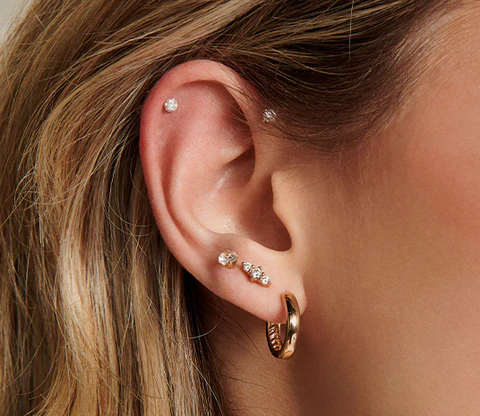
The piercing world offers two main methods, each requiring different tools. The first approach uses hollow needles, known for precision and control. This technique is preferred for individuals seeking accuracy in both lobe and cartilage piercings. The second approach involves piercing guns, valued for their speed and efficiency. Each method requires sterilized supporting tools like gloves, antiseptic wipes, and jewelry holders to complete the process safely. Whether one chooses the slower, methodical needle technique or the quick gun method, both rely on carefully maintained instruments.
Conclusion
The journey of ear piercing depends heavily on the instruments that bring precision, safety, and artistry together. From marking pens to hollow needles, piercing guns, and jewelry insertion tools, each plays a role in creating an experience that feels professional and reliable. Ear Piercing in Dubai highlights how modern practices combine traditional significance with carefully designed instruments to deliver results that people can enjoy for years to come. By understanding these tools and the techniques behind them, individuals gain confidence in their choice and clarity about what happens during the process. Ultimately, the tools are not just objects but essential elements in turning a simple piercing into a meaningful and safe transformation.


Comments