When to Reassess Your Acne Treatment Dubai Plan?
- analpha girl
- Oct 9, 2025
- 3 min read

Acne management is often a journey rather than a one-time fix, and knowing when to reassess your approach can make a significant difference in achieving clear and healthy skin. Many individuals begin with a structured acne plan but may find that results plateau or new skin concerns arise. Understanding when to evaluate your progress ensures that your treatment remains effective and responsive to your skin’s evolving needs. Integrating professional guidance with a personalized approach can optimize outcomes and maintain skin vitality throughout the treatment journey. Acne Treatment in Dubai offers a spectrum of solutions that can be tailored to these changing requirements.
Signs It’s Time to Reevaluate
Persistent Breakouts Despite Treatment
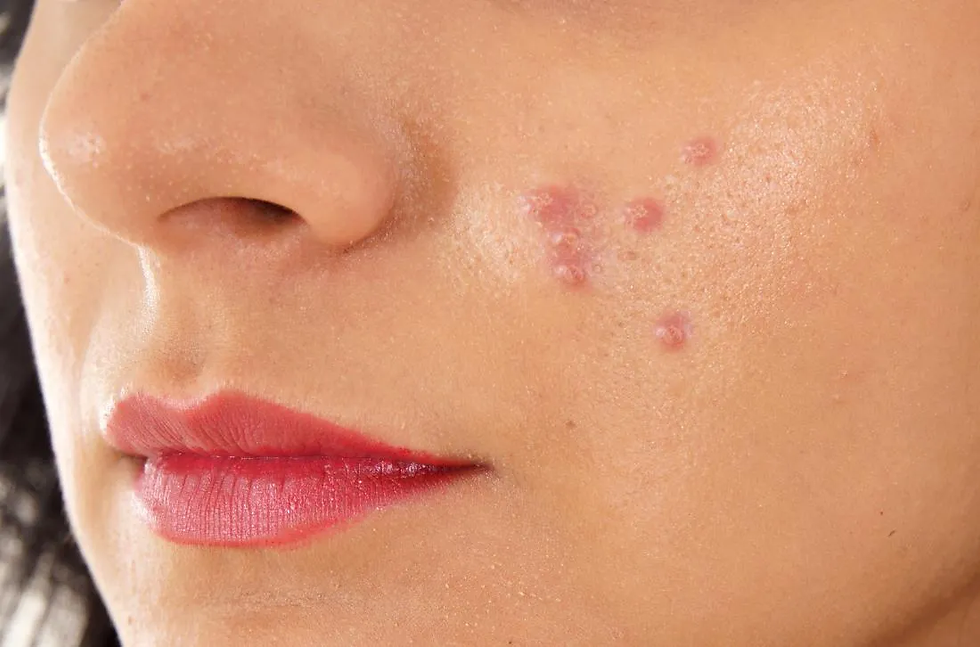
Even with a consistent routine, some individuals notice that breakouts continue without improvement. When acne persists, it signals that the current plan may need adjustment. This can involve reassessing the intensity of treatments, the combination of procedures, or the skin’s response to ongoing care.
Changes in Skin Type or Condition
Skin is dynamic, and factors like hormonal shifts, stress, or environmental changes can alter its behavior. An effective plan should adapt to these transformations. If the skin becomes more sensitive, oily, or dry, it is a strong indication that a reassessment is necessary.
Stalled Progress Over Time
After an initial period of improvement, some people experience a plateau where visible results no longer appear. This stagnation is a natural point to review the approach, as modifications can reignite progress and prevent discouragement.
New Skin Concerns
The appearance of hyperpigmentation, scarring, or uneven texture during treatment may require adding complementary strategies to the plan. Recognizing these developments early allows for timely adjustments and supports more comprehensive skin health.

Steps to Evaluate Your Current Plan
Monitoring and Documentation
Keeping a visual and written record of the skin’s condition is invaluable. Daily observations, photographs, and notes on triggers help identify patterns and assess whether the current plan aligns with the desired outcomes.
Professional Assessment
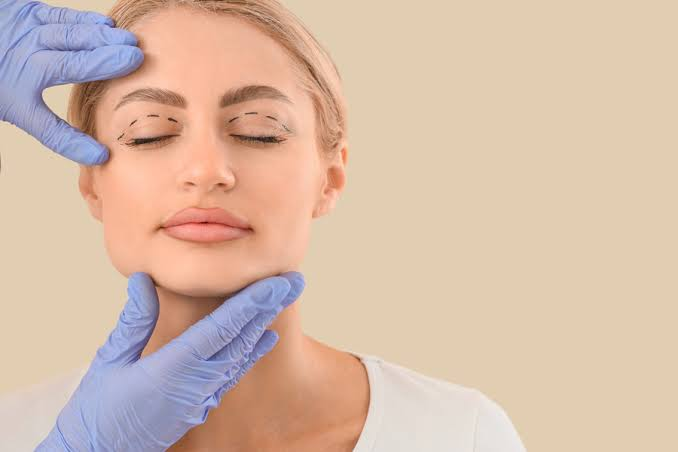
Regular consultations with skin specialists or treatment advisors can provide objective insights. Experts can analyze progress, interpret subtle changes, and recommend adjustments that are often missed during self-monitoring.
Reviewing Goals and Expectations
Personal goals may evolve as treatment progresses. Reassessing what is realistic and redefining objectives ensures that the plan remains motivating and relevant. This process may involve setting milestones for acne reduction, texture improvement, or overall skin radiance.
Adjusting Treatment Frequency
Some treatments benefit from more frequent application, while others require spacing to allow the skin to recover. Observing how the skin responds can guide modifications in timing and scheduling to maximize results.
Importance of Reassessment
Enhancing Treatment Efficiency
Periodic evaluation allows for fine-tuning strategies, ensuring that each component of the plan contributes effectively. This can prevent unnecessary delays and optimize the benefits of Acne Treatment Dubai.
Reducing Frustration and Boosting Confidence
Visible results reinforce adherence to the plan. When progress slows, a reassessment can provide reassurance and introduce renewed strategies, minimizing frustration and maintaining confidence in the treatment journey.
Preventing Long-Term Issues
Addressing stagnation or changes early reduces the risk of chronic acne, scarring, or pigmentation. Reassessing ensures that the plan evolves alongside the skin, supporting long-term clarity and health.
How to Approach Adjustments
Combining Different Treatment Modalities
A holistic acne plan often includes multiple approaches. When progress stalls, integrating complementary treatments can address specific concerns such as persistent inflammation, clogged pores, or uneven tone.
Lifestyle and Skin Routine Adjustments
Daily habits, nutrition, and skincare routines play a role in treatment effectiveness. Evaluating and refining these factors alongside professional interventions enhances overall outcomes.
Patience and Consistency
Even when changes are made, consistent adherence and realistic timelines are essential. Reassessment should focus on strategic modifications rather than frequent overhauls to maintain skin stability.
Frequently Asked Questions
How Often Should Acne Treatment Plans Be Reviewed?
While individual needs vary, regular check-ins every few weeks to months are recommended. Early detection of changes or stagnation allows timely adjustments.
Can Acne Treatment Plans Be Personalized?
Yes, effective plans are tailored to skin type, severity, lifestyle, and goals. Reassessment ensures that personalization continues throughout the treatment journey.
What Indicators Suggest a Plan Change?
Persistent breakouts, changes in skin condition, stalled progress, and the emergence of new concerns are key indicators that a review is necessary.
Is Professional Guidance Necessary?
Professional assessment provides objective evaluation, ensuring that adjustments are safe and effective. Collaboration enhances treatment success.
Conclusion
Regularly reassessing an acne treatment plan is a vital component of maintaining clear and healthy skin. Being attentive to persistent breakouts, skin changes, and stagnation allows for timely adjustments that optimize results. Both topical and procedural options can be integrated strategically to address evolving concerns effectively. Acne Treatment Dubai provides structured approaches that adapt to individual skin needs, ensuring long-term improvement and confidence in the journey toward radiant skin.


Comments