Why Do Skin Tags Appear? Insights from Dermatology Experts?
- analpha girl
- May 25
- 4 min read

Skin tags are small, soft skin growths that often appear in areas where skin rubs against skin or clothing. They are generally harmless, but many individuals become curious about why they develop and how they can be managed. In some cases, concerns about appearance lead people to explore Skin Tag Removal in Dubai as a way to better understand available solutions and improve skin confidence. Dermatology insights suggest that skin tags are extremely common and can appear in different stages of life due to a variety of internal and external influences.
What Skin Tags Are and Why They Develop
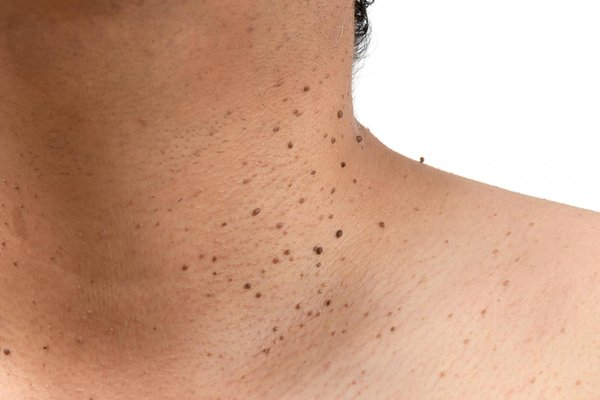
Skin tags are benign skin outgrowths made of collagen fibers, blood vessels, and skin layers. They typically form in areas such as the neck, underarms, eyelids, and folds of the body. Experts explain that these growths are not harmful, but they tend to appear more frequently in regions where friction is constant.
The appearance of skin tags is linked to the skin’s natural response to repeated rubbing or pressure. Over time, the skin may adapt by forming small protrusions, which eventually become visible as soft, hanging growths.
Common Factors Behind Skin Tag Formation
Dermatology insights highlight several contributing factors that may influence the development of skin tags. These factors do not guarantee formation but increase likelihood in many individuals.
Skin friction is one of the most recognized contributors. When skin repeatedly rubs against itself or clothing, it can trigger the development of small growths over time.
Hormonal fluctuations are also considered a potential influence. Changes in the body’s hormonal balance may affect skin cell activity and contribute to growth formation in certain individuals.
Genetic tendencies may also play a role. People with a family history of skin tags are more likely to experience them themselves.
In addition, body changes related to aging can increase susceptibility. As the skin naturally changes with time, it may become more prone to developing small growths in high-friction areas.
Biological Behavior of Skin and Tag Formation
From a dermatological perspective, skin tags are a result of localized overgrowth of skin cells. This overgrowth is usually triggered by mechanical irritation rather than any internal disease.
The skin behaves as a protective organ, constantly responding to pressure and friction. When these conditions persist, small clusters of tissue may form, eventually developing into visible tags.
Another contributing factor is the interaction between skin folds and moisture. Warm, damp environments can create conditions where friction becomes more intense, increasing the likelihood of skin tag formation.
Professional Treatment Approaches for Skin Tags
There are several professionally guided methods commonly used to manage skin tags. These approaches are selected based on size, location, and skin sensitivity.
One widely recognized method involves precise removal through controlled cutting techniques. This approach focuses on carefully detaching the skin tag at its base, ensuring minimal disruption to surrounding skin tissue.
Another method involves the use of controlled freezing techniques. In this process, extremely low temperatures are applied to the skin tag, causing it to gradually detach over time.
Both methods are designed to address skin tags efficiently while maintaining skin integrity. Dermatology experts often choose the most suitable option depending on individual skin conditions and the nature of the growth.
How Removal Approaches Work on a Skin Level
When skin tags are addressed through professional methods, the goal is to safely separate the growth from the surrounding skin. In cutting-based techniques, the base of the skin tag is carefully targeted so that the attachment is removed cleanly.
In freezing-based methods, the tissue is exposed to controlled cold temperatures. This process interrupts the blood supply to the skin tag, leading it to naturally fall away as the skin heals.
Both approaches are focused on precision and skin preservation. The body then naturally regenerates the treated area, leaving smoother skin over time.
Why Skin Tags Become a Cosmetic Concern
Although skin tags are medically harmless, they may become a cosmetic concern for many individuals. Their visibility, especially in exposed areas, can lead to discomfort or self-consciousness.
Some people also experience irritation when skin tags catch on clothing or jewelry. This can make daily activities slightly uncomfortable, encouraging individuals to explore removal options.
Understanding the reasons behind their appearance helps reduce concern and allows individuals to make informed decisions about managing them effectively.
Frequently Asked Questions
Why do skin tags appear more in certain areas of the body
Skin tags tend to appear in areas where skin rubs together or experiences frequent friction. These regions create conditions where small skin growths are more likely to develop over time.
Are skin tags a sign of a health issue
Skin tags are generally considered harmless and are not usually linked to serious health concerns. They are mostly related to friction, skin behavior, and natural body changes.
Can skin tags disappear on their own
In most cases, skin tags remain unless they are physically removed or naturally detach due to reduced blood supply. They do not typically disappear without intervention.
Why do some individuals develop more skin tags than others
Genetics, skin structure, and friction levels all play a role. Some individuals may simply have a higher tendency due to inherited or lifestyle-related factors.

Understanding Removal Awareness and Skin Confidence
Interest in Skin Tag Removal in Dubai often grows when individuals begin noticing multiple skin tags or experience discomfort from their presence. Awareness about removal methods helps people understand that these growths can be managed safely through structured approaches that focus on skin health and appearance improvement.
Conclusion
Skin tags are common skin formations that develop due to a combination of friction, biological responses, and individual skin tendencies. While harmless, they can become noticeable and sometimes bothersome in everyday life. Understanding their origin helps reduce unnecessary concern and supports informed decision-making regarding management options. With advancements in dermatological care, effective removal approaches continue to offer reliable solutions for those seeking smoother and more comfortable skin, allowing individuals to feel more confident in their overall appearance.


Comments